

Internalized homophobia is something many LGBTQ+ individuals struggle with, often without realizing it. It appears as self-criticism, discomfort about one’s identity, or fear of being “too much” or “not enough.” These feelings aren’t personal failures — they’re the result of growing up in a world where many people learn negative messages about being gay long before they discover who they truly are.
Breaking free from shame is a deeply personal journey, but it is also a powerful act of self-love. Understanding where internalized homophobia comes from — and how to challenge it — is the first step toward building a healthier, confident, and joyful identity.

1. What Internalized Homophobia Really Means
Internalized homophobia happens when someone absorbs society’s negative messages about LGBTQ+ people and unconsciously turns them inward.
It might show up as:
- Feeling uncomfortable about being openly gay
- Believing you are “less than” others
- Feeling guilty about your identity
- Trying to prove you are “normal” by suppressing emotions
- Judging other LGBTQ+ people for being “too expressive” or “too feminine/masculine”
These feelings don’t come from within — they come from the environments, culture, or messages you’ve grown up around.
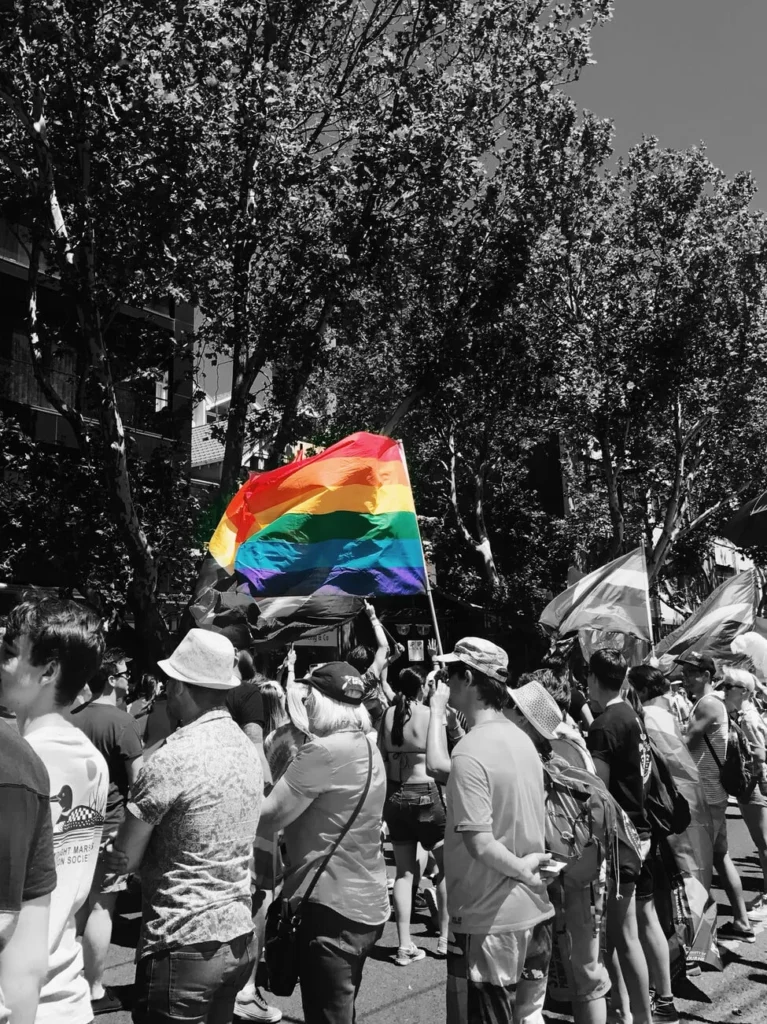
2. How Shame Takes Root
Many LGBTQ+ individuals experience:
- Growing up hearing homophobic jokes or comments
- Being told to “act straight” or hide their true selves
- Feeling unsafe expressing affection
- Lack of representation or positive LGBTQ+ role models
- Fear of rejection from family, friends, or community
Over time, these pressures can create an inner voice that says:
“Something about me is wrong.”
But that voice is learned — not true.
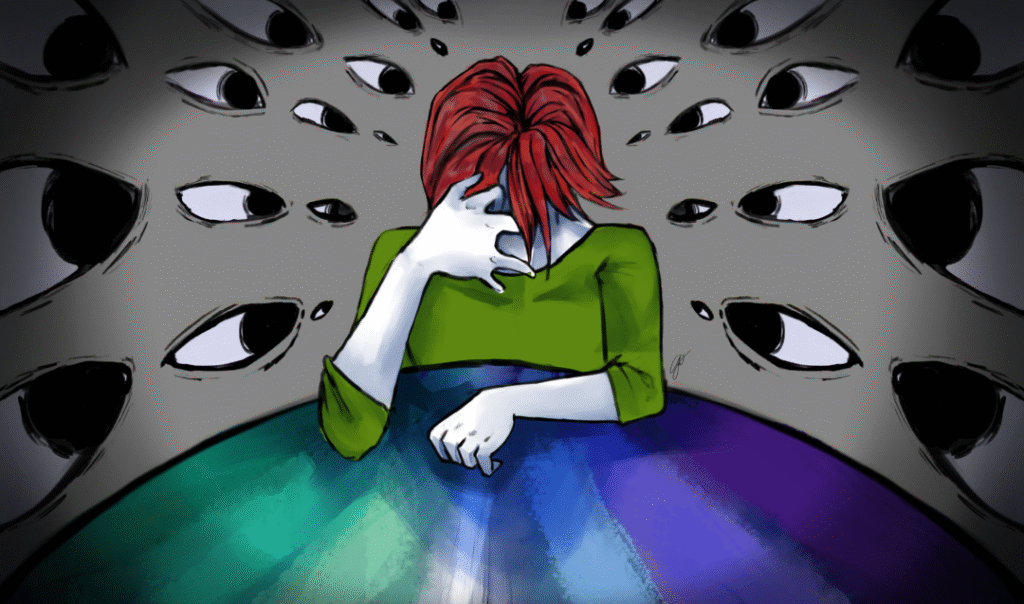
3. Recognizing Harmful Thoughts and Patterns
Internalized homophobia can shape thoughts such as:
- “I shouldn’t talk about my feelings.”
- “I don’t want people to know I’m gay.”
- “I need to be perfect so nobody judges me.”
- “Other gay people are embarrassing; I’m not like them.”
- “I don’t deserve healthy relationships.”
Noticing these patterns is a major step toward healing.
4. Building Self-Acceptance Through Awareness
Healing begins with gentle awareness.
Here are safe, healthy steps anyone can take:
1. Question the inner voice
Ask yourself: Is this opinion truly mine, or something I learned from others?
2. Surround yourself with representation
Books, movies, and LGBTQ+ creators can normalize what once felt shameful.
3. Talk to supportive people
Sharing with a friend, community member, or counselor can transform the way you see yourself.
4. Practice positive self-talk
Small affirmations — “I’m allowed to exist as I am” — slowly reshape self-worth.
5. Give yourself time
Healing internal shame isn’t instant; it’s a continuous process of choosing authenticity.
5. Rewriting Your Identity with Pride
Letting go of shame opens the door to:
- Feeling at peace with your sexuality
- Building healthier relationships
- Expressing emotions openly
- Connecting with the LGBTQ+ community
- Living life with confidence
Finding freedom doesn’t mean you must be loud, public, or performative — it simply means allowing yourself to exist without apology.
6. Supporting Others on Their Own Journey
Everyone is at a different stage of identity and acceptance.
Supporting one another means:
- Listening without judgment
- Avoiding labels or stereotypes
- Encouraging emotional expression
- Respecting personal boundaries
- Being patient with people who need more time
Healing grows when acceptance is shared.

Conclusion
Overcoming internalized homophobia is not about becoming perfect — it’s about becoming honest.
When you release the old beliefs that never belonged to you, you make space for confidence, community, and real emotional freedom.
You deserve to live without shame.
You deserve to be yourself fully.
And you deserve to know: there is nothing wrong with you.
FAQ
1. What causes internalized homophobia?
It develops from negative cultural, social, or family messages about LGBTQ+ identities that people absorb over time.
2. How do I know if I have internalized homophobia?
You may notice discomfort with your identity, self-criticism, or judging other LGBTQ+ individuals.
3. Can internalized homophobia be healed?
Yes. Awareness, supportive communities, positive representation, and talking about your feelings all help.
4. Is it normal to feel shame even after coming out?
Absolutely. Coming out doesn’t erase years of conditioning — healing is a gradual process.
5. What’s the first step toward overcoming it?
Recognizing that the shame isn’t truly yours but something learned from external influences.
If you are navigating self-acceptance, remember you don’t have to do it alone. You deserve support, understanding, and safe connections that help you grow into your most authentic self. Healing takes time — and you’re already on the right path by learning more about it.