

The human fascination with the male form is as old as civilization itself. From the chiseled marble of Ancient Greece to the hyper-realistic silicone companions of today, we have always sought to capture, celebrate, and interact with the ideal masculine physique.
At Mendolls, we see our lifelike companions not just as products, but as the modern iteration of a thousand-year-old artistic tradition. Let’s take a journey through time to see how the “Dream Man” has evolved.
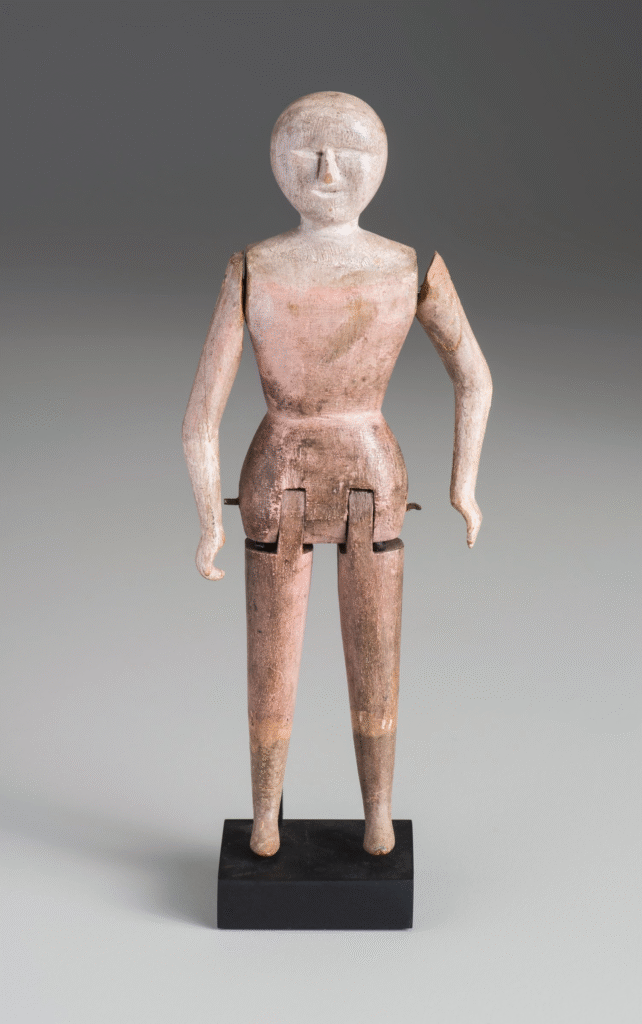
1. Ancient Greece: The Birth of the Ideal
In the classical world, the male body was considered the pinnacle of aesthetic perfection. Sculptures like the Doryphoros or the works of Phidias weren’t just religious icons; they were “anatomically perfect” representations of strength, balance, and grace.
These statues were the “realistic dolls” of their time. They were often painted in lifelike colors (a fact often forgotten today) and stood in public and private spaces to inspire awe and desire. The fascination with a muscular torso and defined proportions that we see in modern silicone dolls finds its roots directly in the marble of the Parthenon.
2. The Renaissance: Anatomy as Science and Art
After the Middle Ages, the Renaissance brought a renewed obsession with the male figure. Artists like Michelangelo and Leonardo da Vinci didn’t just paint; they dissected. They wanted to understand the movement of every muscle and the flow of every vein.
Michelangelo’s David remains the world’s most famous “male figure.” It captured a moment of tension and poise that felt almost alive. Today, when we design the muscle structures of our dolls at Mendolls, we use these same classical principles of anatomy to ensure that every curve and shadow looks natural under the light.

3. The 20th Century: From Mannequins to Icons
As technology advanced, so did our ability to replicate the human form. The early 20th century saw the rise of high-fashion mannequins, which brought the male figure into the commercial and domestic sphere.
By the late 20th century, the LGBTQ+ community began to reclaim male imagery through art and photography. Artists like Tom of Finland leaned into hyper-masculinity, creating icons that celebrated a specific, powerful aesthetic. This era proved there was a deep emotional and cultural demand for realistic representations of the men we admire.
4. The Modern Era: The Silicone Revolution
The 21st century brought the ultimate breakthrough: Medical-grade Silicone. For the first time in history, we moved beyond cold stone or hard plastic to a material that mimics the warmth, soft-touch, and “give” of human skin.
Modern silicone dolls represent the merging of:
- Art: Hand-painted details, rooted in classical painting techniques.
- Engineering: Stainless steel skeletons that allow for a range of motion Michelangelo could only dream of.
- Companionship: The transition from a statue you look at, to a companion you can interact with.
5. Why We Continue to Create
Why do we still want these figures in our homes? Because the appreciation of male beauty is a timeless human instinct. Whether it’s a marble statue in a museum or a bespoke silicone companion in your bedroom, these figures allow us to curate our environment with beauty that inspires us.
At Mendolls, we are proud to carry the torch of this history, providing the modern man with a masterpiece of his own.

Conclusion
From the gymnasiums of Athens to the modern smart-home, the male figure remains a source of fascination. Choosing a realistic doll is your way of participating in this grand history of art and anatomy.
Own a piece of history. at Mendolls.

FAQ
Q: Are silicone dolls considered art? A: Many collectors and art historians argue that high-end silicone dolls fall under the category of “Hyper-realism” in contemporary art, similar to the works of Ron Mueck.
Q: How does modern silicone compare to old-fashioned materials? A: Unlike stone, wax, or hard plastic used in the past, silicone is soft, hypoallergenic, and can hold heat, providing a tactile experience that was historically impossible.
Q: Why is the Greek “ideal” still used in doll design? A: Classical proportions (the “Golden Ratio”) are naturally pleasing to the human eye. We use these principles to ensure our dolls look balanced and realistic.