

Vulnerability is often misunderstood as weakness, but in reality, it is one of the strongest foundations in any meaningful relationship. For gay individuals, the experience of being open and emotionally honest can be especially powerful, because many grow up learning to guard parts of themselves for safety or acceptance.
Learning to be vulnerable in a healthy way can transform how gay people build trust, navigate identity, express emotions, and create secure, loving relationships.
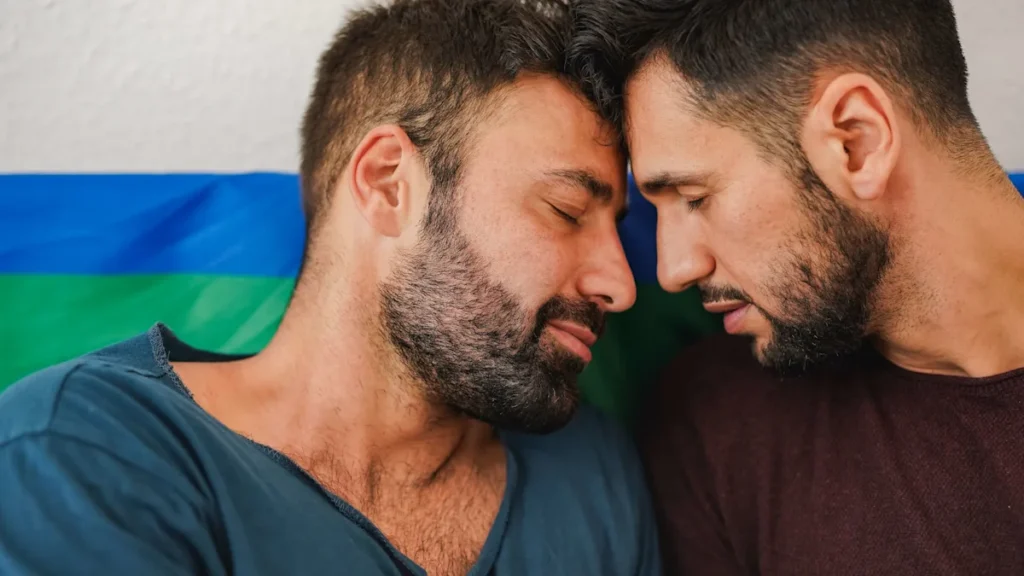
1. Why Vulnerability Matters More Than We Think
Being vulnerable means allowing someone to see the real you — including fears, insecurities, hopes, and dreams.
In gay relationships, this can feel even more meaningful because:
- Some people spent years hiding parts of themselves
- Past experiences may include rejection or misunderstanding
- Society still places pressure on LGBTQ+ people to “be strong”
Opening up breaks the cycle of silence and replaces it with connection.
2. Emotional Honesty Builds Real Trust
Trust doesn’t grow from perfection — it grows from honesty.
When partners can say things like:
- “I’m scared.”
- “I need support.”
- “I’m struggling today.”
- “I’m worried you’ll think less of me if I share this.”
…they create a space where both people feel safe to be their true selves.
In gay relationships, trust built through vulnerability is often what turns a connection from “good” to “deep.”
3. Healing Old Wounds Through Openness
Many LGBTQ+ people have experienced:
- Family pressure
- Bullying or isolation
- Fear of coming out
- Feeling misunderstood
These experiences can leave emotional marks.
A partner who listens without judgment can help heal those wounds.
Vulnerability becomes not just personal growth — it becomes shared growth.

4. Communication Improves When Walls Come Down
Healthy vulnerability allows partners to express:
- Emotional needs
- Boundaries
- Fears about commitment
- Stress from life or identity struggles
- Joy, gratitude, and affection
This stops misunderstandings before they begin.
When communication flows naturally, relationships feel lighter, safer, and more stable.
5. Letting Someone See Your Identity Deeply
Many gay individuals learn to protect parts of themselves:
- The sensitive side
- The artistic side
- The insecure side
- The hopeful side
Showing these layers to a partner strengthens the bond.
It allows both people to feel seen beyond labels, beyond roles, and beyond expectations.
6. Vulnerability Helps Create Secure Relationships
A relationship feels secure when both people believe:
- “I can be myself here.”
- “I don’t have to pretend.”
- “My emotions matter.”
- “My partner sees me as enough.”
Emotional openness encourages:
- Mutual support
- Understanding during conflict
- Calmer communication
- Stronger long-term stability
Security comes from closeness, not perfection.
7. How to Practice Healthy Vulnerability
Here are practical steps that are safe and appropriate for teens:
1. Use “I feel” statements
Example: “I feel anxious when I don’t know what you’re thinking.”
2. Start small
Share small worries or hopes first before moving into deeper topics.
3. Choose the right moment
Talk when both people are calm and present.
4. Listen without interrupting
Receiving vulnerability is just as important as offering it.
5. Respect boundaries
Everyone opens up at their own pace.
6. Celebrate emotional courage
Remind each other: “Thank you for trusting me with that.”
Conclusion
Vulnerability isn’t weakness — it’s emotional strength.
For gay relationships, it’s a pathway to healing, trust, communication, and genuine closeness.
When both partners feel safe to be open, a relationship becomes a place of comfort, authenticity, and growth.
Whether you’re exploring identity, learning about love, or building emotional skills, embracing vulnerability can help you create healthier and more meaningful connections.
FAQ
1. Why is vulnerability important in gay relationships?
Because many LGBTQ+ people grew up hiding parts of themselves, emotional openness helps build trust and connection.
2. How do I become more vulnerable without feeling unsafe?
Start small, choose supportive people, and share only at your pace.
3. What if my partner struggles with vulnerability?
Be patient, communicate gently, and show by example rather than pressure.
4. Can vulnerability help during conflicts?
Yes — expressing emotions clearly reduces misunderstanding and encourages empathy.
5. Is vulnerability the same as oversharing?
No. Healthy vulnerability is about honesty, not disclosing everything at once.
If you’re exploring emotional wellbeing, identity, or building stronger relationships, remember that you deserve safe and supportive connections. Learning how to open up at your own pace can make every relationship in your life healthier and more meaningful.
Looking for a complete overview? Explore our Gay Sex Dolls Guide to understand styles, materials, and key differences.